
A calesa ride through Vigan
Take in the cobblestone streets and heritage mansions at an unhurried clip from a traditional horse-drawn carriage—plus a few practical questions to ask your cochero before you set off.
Published · Last updated
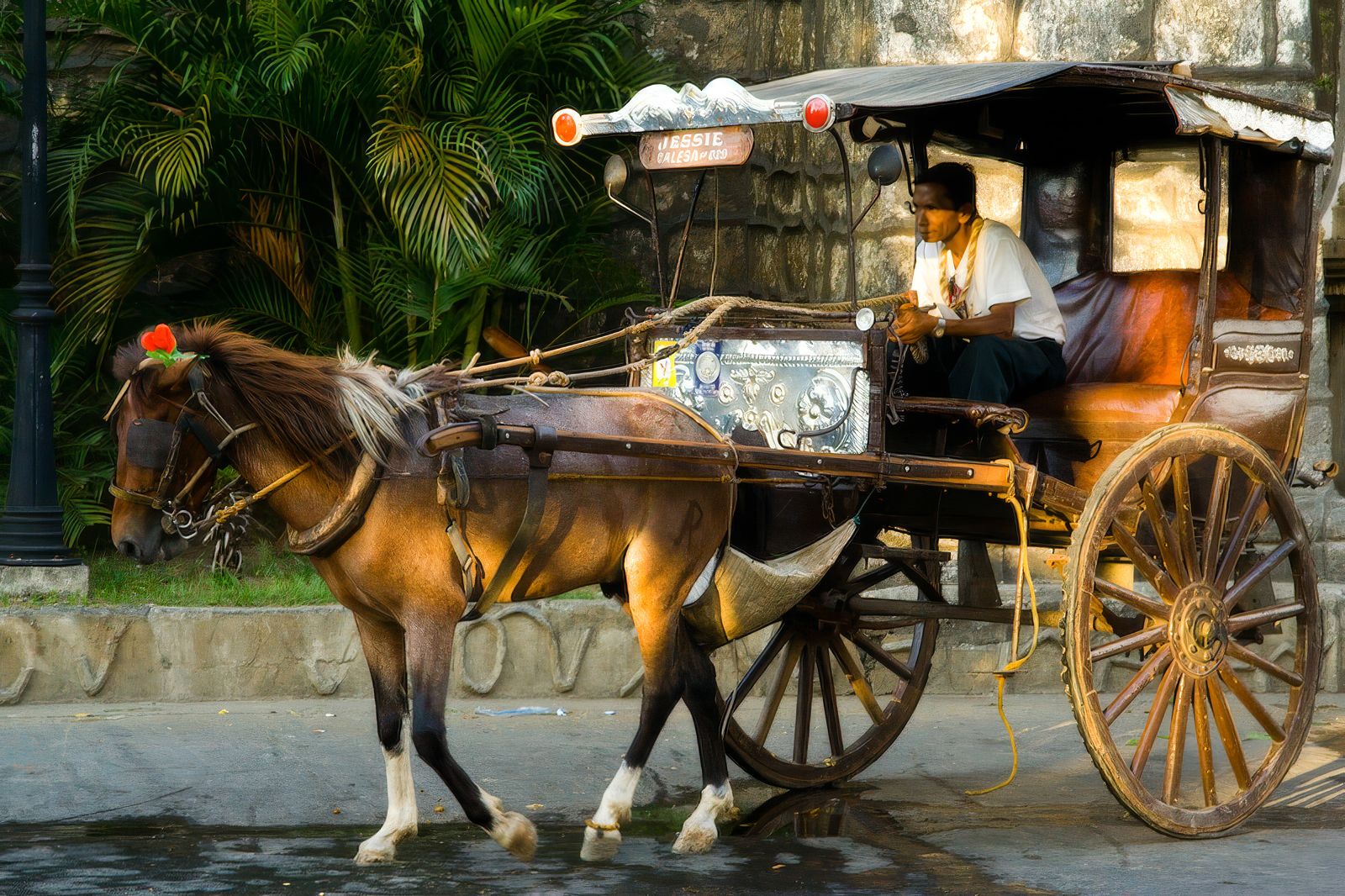
Experience information
- Experience
- Horse-drawn carriage ride
- Where
- Eastern edge of Plaza Burgos, near the northern entrance to Calle Crisologo
- Visitor note
- Confirm the route, total fare, duration and drop-off with the driver before agreeing to a ride.
A different pace through the old streets
Riding a calesa (a traditional horse-drawn carriage) is one of Vigan’s signature experiences—and the only form of transport permitted along cobblestone Calle Crisologo. Sitting elevated behind the cochero (driver), you get a sweeping view of overhanging wooden balconies, capiz-shell windows, and the rhythm of daily street life that looks entirely different from sidewalk level.
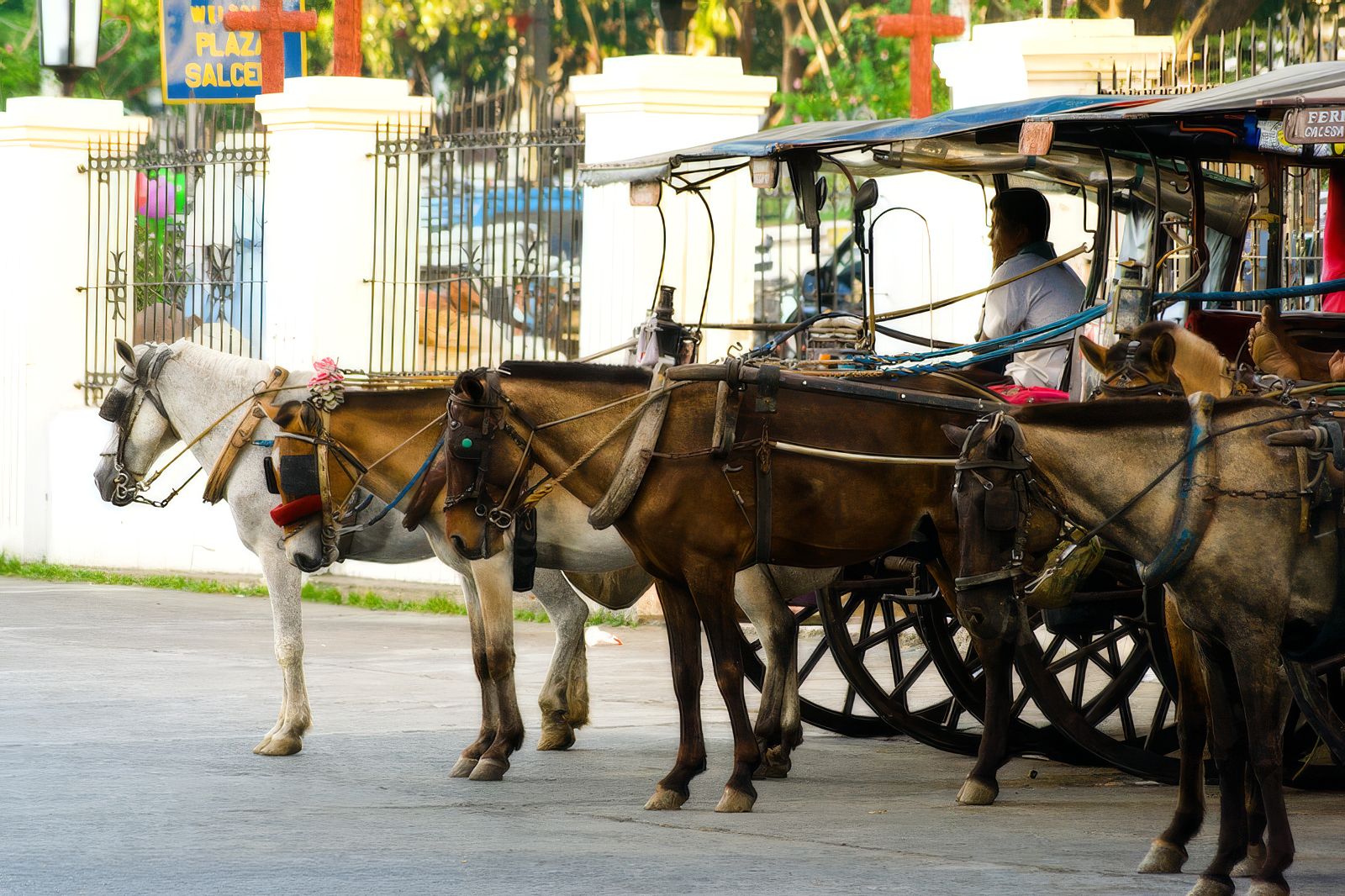
You’ll currently find the calesas lined up along the eastern perimeter of Plaza Burgos, right near the northern entrance to Calle Crisologo. Head over to speak directly with the drivers when you’re ready to arrange a ride. A handful of carriages usually start early in the morning, with more drivers arriving as the day gets underway.
Treat the ride as an introduction to the city rather than a substitute for exploring it. Use it to get your bearings, spot shops or heritage houses that catch your eye, and note which places you want to revisit later on foot.
What a typical ride covers
Calesa tours can be arranged for a short sightseeing loop or by the hour and tailored to what you want to see. While specific routes and included stops can change over time—so it is always worth confirming directly with your driver—a standard circuit has traditionally included a pass along Calle Crisologo before looping out toward Vigan’s outer heritage landmarks, with brief pauses for photos:
- Calle Crisologo: Experience the steady clip-clop of hooves echoing off centuries-old stone walls and Spanish-era mansions along Vigan’s famous cobblestone strip.
- Plaza Salcedo & St. Paul’s Metropolitan Cathedral: The historic civic and religious heart of Vigan, just steps from Plaza Burgos.
- Padre Burgos House: A landmark 19th-century bahay na bato residence and museum showcasing Ilocano history and everyday life.
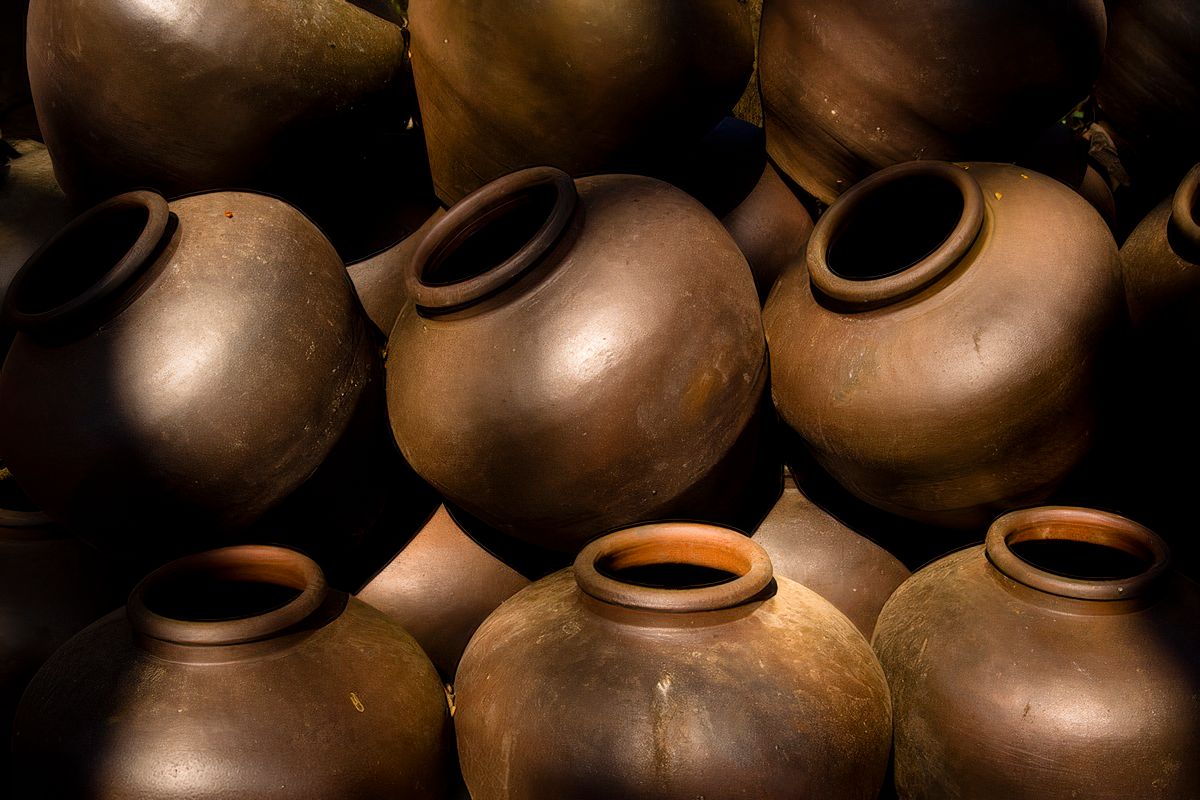
- Pagburnayan (Burnay Pottery District): Located on the southwestern edge of the heritage zone, where you can step down to watch potters shape clay jars by hand.
- Bantay Church & Bell Tower: Often included as an add-on stop just across the river in neighboring Bantay, offering panoramic views over Vigan (usually requires a longer booking or an extra fee).
Before you step aboard
Short calesa sightseeing rides have been reported at around ₱200 for 30 minutes in October 2026. Prices depend on the route, duration and arrangement. Before boarding, confirm the total charge, whether it covers the whole carriage, and whether stops and waiting time are included.
A quick conversation with your cochero ensures a smooth, comfortable trip for both you and the horse:
- Confirm the route, duration, and stops: Ask whether your ride is priced for a set route or by the hour, and whether farther stops like Bantay cost extra. Clarify whether waiting time at stops—such as Pagburnayan or Bantay Bell Tower—counts toward your total time.
- Agree on the total price and drop-off point: Confirm whether the quoted rate covers your entire group (most calesas comfortably fit 2 to 3 adults) and agree on cash payment in Philippine pesos before departing. Let the driver know if you’d like to be dropped off back at Plaza Burgos or near another landmark.
- Check the weather and the horse’s condition: Vigan’s cobblestones and open streets get hot by midday. Morning or late afternoon offers cooler air, softer light for photos, and easier working conditions for the horses. Take a moment to check that the horse looks well-rested and hydrated.
- Ask for a hand boarding: Calesas sit high off the ground with a narrow metal step. Let the driver steady the carriage and assist you when climbing in or stepping down, especially if you are carrying bags or traveling with children or older companions.
Sharing the street & pairing it with a walk
Because calesas are the sole vehicles allowed through Calle Crisologo, carriages and pedestrians share the narrow cobblestones throughout the day. Whether you are riding or walking afterward, stay mindful of your surroundings—step aside when you hear the ring of a cochero’s bell or approaching hooves, and avoid stepping backward into the lane while framing photos.
Start or finish your ride at Calle Crisologo—or enjoy an early-morning stroll down the quiet cobblestones before shops open and more carriages arrive—then wander through the surrounding heritage houses and museums at your own speed.
A closer look
Select a photo to view its caption and credit.
Related stories
DO
Pottery at Pagburnayan
DO