
Padre José Burgos Museum
Constructed in 1788, the ancestral home of martyred priest Fr. Jose Burgos now serves as a regional branch of the National Museum and a repository of Ilocano art, colonial anthropology, and traditional textiles.
Published · Last updated
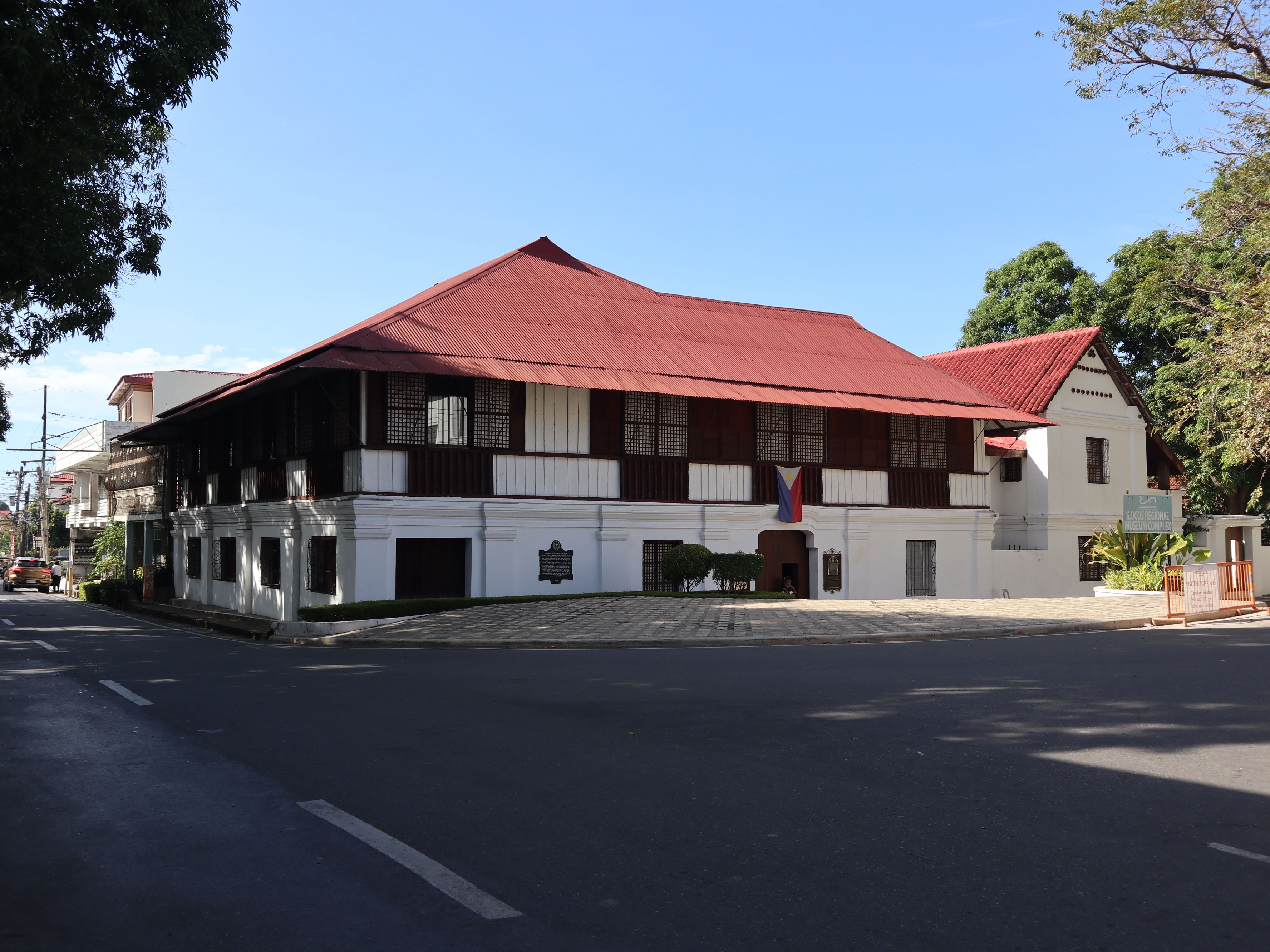
Just behind the Ilocos Sur Provincial Capitol, removed from the commercial bustle of Calle Crisologo, stands one of the most historically significant residential structures in Northern Luzon. Built in 1788, this bahay na bato is the birthplace of Father Jose Burgos— one of the three martyred priests collectively known as Gomburza whose 1872 execution ignited the Philippine reform movement. Today, the property anchors the National Museum of the Philippines Ilocos Regional Museum Complex, operating not just as a memorial to a national hero, but as a premier repository of Ilocano art, colonial anthropology, and traditional textiles.
Practical information
- Address
- Burgos Street, Vigan City (behind the Provincial Capitol)
- Visiting & Stays
- Open Tuesday to Sunday, 9:00 AM to 5:00 PM (Closed Mondays)
- Rates & Admission
- Free admission (standard for all National Museum branches)
- Built
- 1788
- Phone
- 0917 504 8014
- Visitor note
- Allocate at least 45 minutes for the upper floor alone to study the 14-panel Basi Revolt painting series, an essential piece of Ilocano history.
José Burgos and the house’s preservation
Born in this house in 1837, Jose Burgos grew up in the heart of Vigan’s ecclesiastical and political center. His eventual execution by garrote in Manila alongside Padre Mariano Gomez and Jacinto Zamora on false charges of mutiny served as a catalyst for the Philippine Revolution, directly inspiring figures like José Rizal. Recognizing this immense historical weight, the National Historical Commission of the Philippines installed a marker on the home’s facade in 1939, and the structure was officially declared a historical building via Presidential Decree in 1975.
The house’s journey to becoming a public institution is a story of active preservation. It was initially established as the Ayala Museum-Vigan by the Filipinas Foundation in 1975, which populated the rooms with period-accurate antique furniture sourced from across the Ilocos region. In 1987, the collection was donated to the Ilocos Historical and Cultural Foundation, before being permanently turned over to the National Museum of the Philippines in 1989. Today, it stands fully restored alongside the adjacent Old Carcel (Provincial Jail), completing the NMP’s regional complex.
“Unlike private heritage houses that focus on a single family’s wealth, the Padre Burgos Museum utilizes its 18th-century architecture to frame the broader story of Ilocano resistance, craftsmanship, and daily colonial life.”
Inside the ancestral house
The Burgos House is a textbook example of late 18th-century arquitectura mestiza, built earlier than many of the surviving 19th-century mansions on Calle Crisologo.
In the Spanish colonial era, the stone-walled ground floor was strictly utilitarian, used for storing agricultural harvests, housing carriages, and keeping livestock. Today, the National Museum has adaptively reused this naturally cool, cavernous space to house the Abel-Iloko Exhibition. This permanent gallery celebrates the region’s indigenous textile craft, displaying massive antique wooden handlooms, intricate raw cotton threads, and vintage examples of inabel weaving patterns that fueled Vigan’s early domestic trade.
Ascending the hardwood stairs brings you to the traditional living quarters, supported by massive timber pillars. The sala (main living room) features wide-plank hardwood floors polished to a mirror shine, flanked by massive sliding windows fitted with translucent capiz (windowpane oyster) shells. The rooms are dressed with the Filipinas Foundation’s 1970s acquisitions: massive four-poster beds, santos (religious icons) encased in glass virinas, and heavy wooden baul (chests) that accurately represent the domestic lifestyle of an affluent 19th-century ilustrado family.
Getting there
The Padre Burgos Museum is located on Burgos Street, positioned at the entrance of a sidestreet leading to the Old Carcel (which houses additional National Museum galleries) and directly behind the Ilocos Sur Provincial Capitol building.
-
On foot: From Plaza Salcedo or St. Paul Cathedral, walk west toward the Provincial Capitol. Pass the Capitol building, and the museum complex is immediately behind it. The walk takes less than five minutes from the plaza.
-
By tricycle or calesa: Every local driver knows the “National Museum” or “Burgos Museum.” From Calle Crisologo, a tricycle ride takes about three minutes. Within the town center, regular tricycle fare is ₱30 for one passenger by day (6 AM–6 PM). See City Information’s tricycle fare guide.
-
Visitor Notes: Because this is a state-run National Museum facility, admission is completely free. Guests are required to sign the logbook at the entrance. Photography is permitted, but the use of flash is strictly prohibited to protect the centuries-old objects.
Related stories

HERITAGE HOUSES
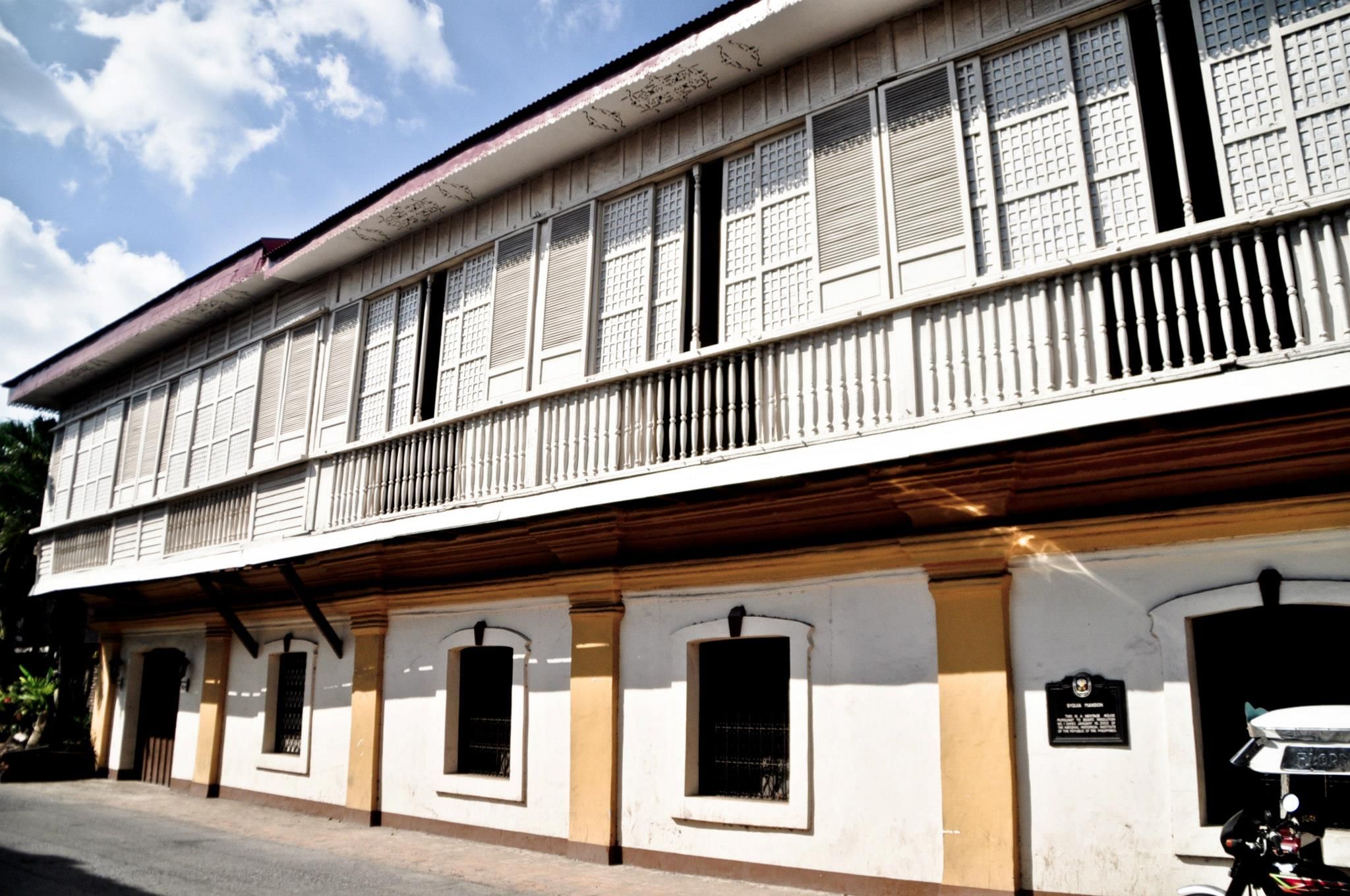
Syquia Mansion

HERITAGE HOUSES