Bagnet
Crisp, deep-fried pork belly with crunchy skin and tender meat is an Ilocano staple. Enjoy it simply fried and served with KBL—a mix of kamatis (tomatoes), bagoong (fermented fish condiment), and lasona (shallots)—whose fresh, sharp flavors balance the rich pork. Bagnet also adds savory depth to other Ilocano dishes like pork pinakbet.
Dinakdakan
A savory Ilocano favorite of smoky grilled pork, including crisp ears and tender head cuts, tossed in a bright dressing of onions, chilies, and calamansi or vinegar. Cooked pork brain traditionally lends a velvety creaminess—often swapped for mayonnaise today—making it ideal with rice or as a shared appetizer.
Dinengdeng
A comforting Ilocano staple of seasonal vegetables simmered in a light, umami-rich bagoong broth, traditionally paired with crisp fried or smoky grilled fish. For a heartier twist, baradibud (also spelled buridibod) incorporates sweet potatoes that melt into the broth, lending a velvety texture and subtle sweetness.
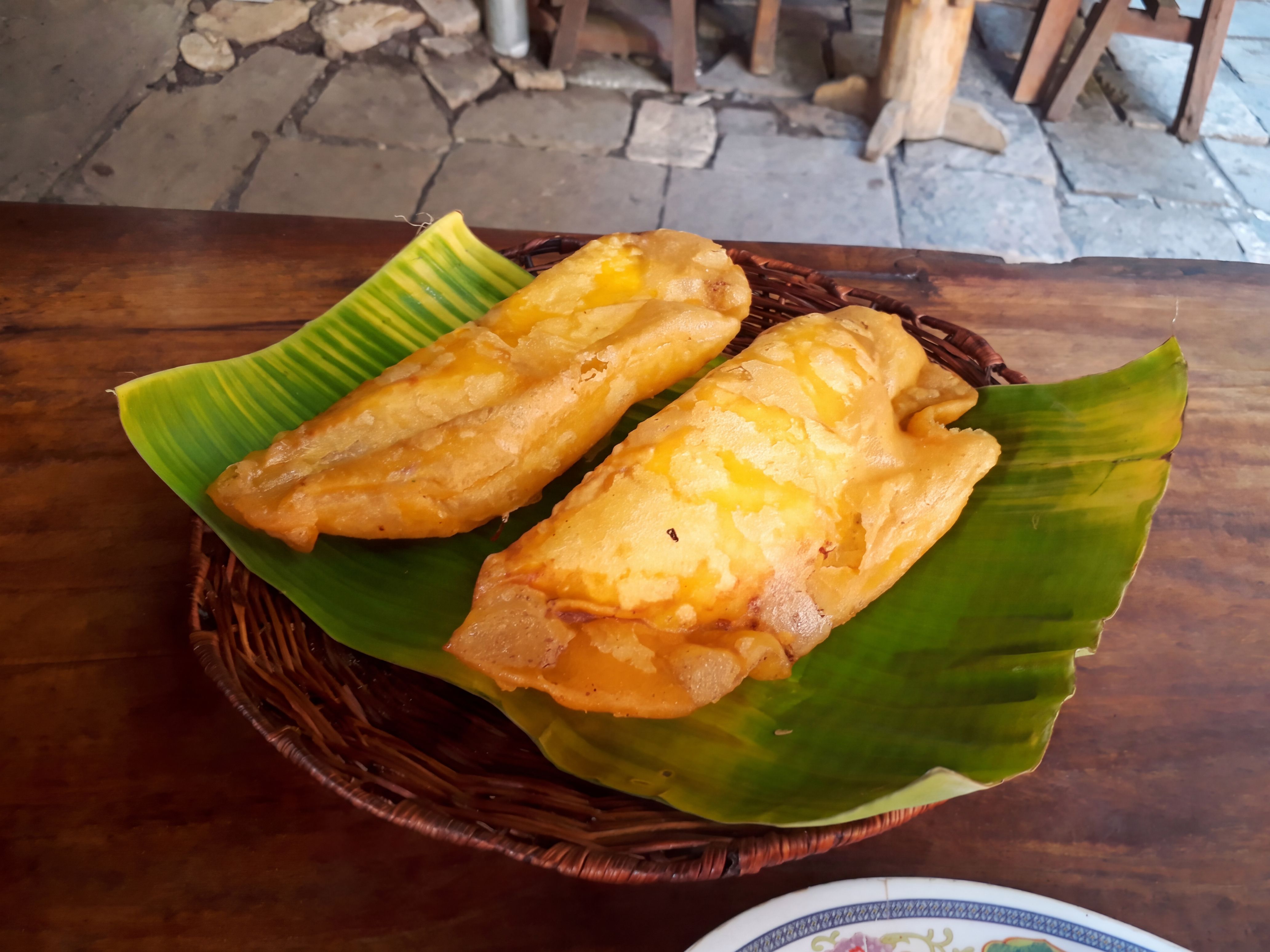
Empanada
A crisp, golden rice-flour pastry stuffed with savory Vigan longganisa, grated green papaya, and a whole egg, fried until crackling. Often served with tangy sukang Iloko (cane vinegar) for dipping—ask what goes into yours, and enjoy it piping hot straight from the fryer.
Longganisa
Small, garlicky sausages packed with bold, savory flavor and a signature tang from local sukang Iloko (cane vinegar). Traditionally pan-fried until caramelized and served with garlic rice and egg, it is the ultimate way to start your day before exploring more Ilocano staples.
Miki
Thick, chewy noodles simmered in a rich, garlicky pork or chicken broth, given its signature golden-red hue by annatto seeds and finished with a hard-boiled egg. Often topped with crispy chicharon or bagnet, it is the ideal filling stop between walks.
Pinakbet
An iconic Ilocano dish of eggplant, bitter melon, okra, and squash slowly steamed—not stirred—in savory bagoong (fermented fish sauce) and often enriched with crispy bagnet. Its deep umami and pleasant bitterness pair effortlessly with warm rice and grilled meats.
Pipian
Inspired by the Mexican pipián brought over via the galleon trade, this tangy Vigan chicken stew is thickened with toasted ground rice, brightened with sour kamias and aromatic pasotes (epazote), and tinted golden-orange with annatto. A comforting specialty worth seeking out.
Sinanglaw
A beloved Vigan morning staple of beef and innards simmered in a fragrant broth of ginger and sour kamias. Finished with a touch of bile for a distinct bitter kick, it delivers a bold, soul-warming harmony of tangy, savory, and bitter notes.