
Old Carcel Museum
Step into Vigan's former provincial jail to explore the Basi Revolt paintings, the story of sugarcane wine and the birthplace of President Elpidio Quirino.
Published · Last updated
Practical information
- Location
- Burgos Street, Vigan.
- Visiting
- Confirm opening and interior access with the site operator before visiting.
- Accessibility
- Ask about steps, accessible routes and facilities before visiting.
A former jail with several stories to tell
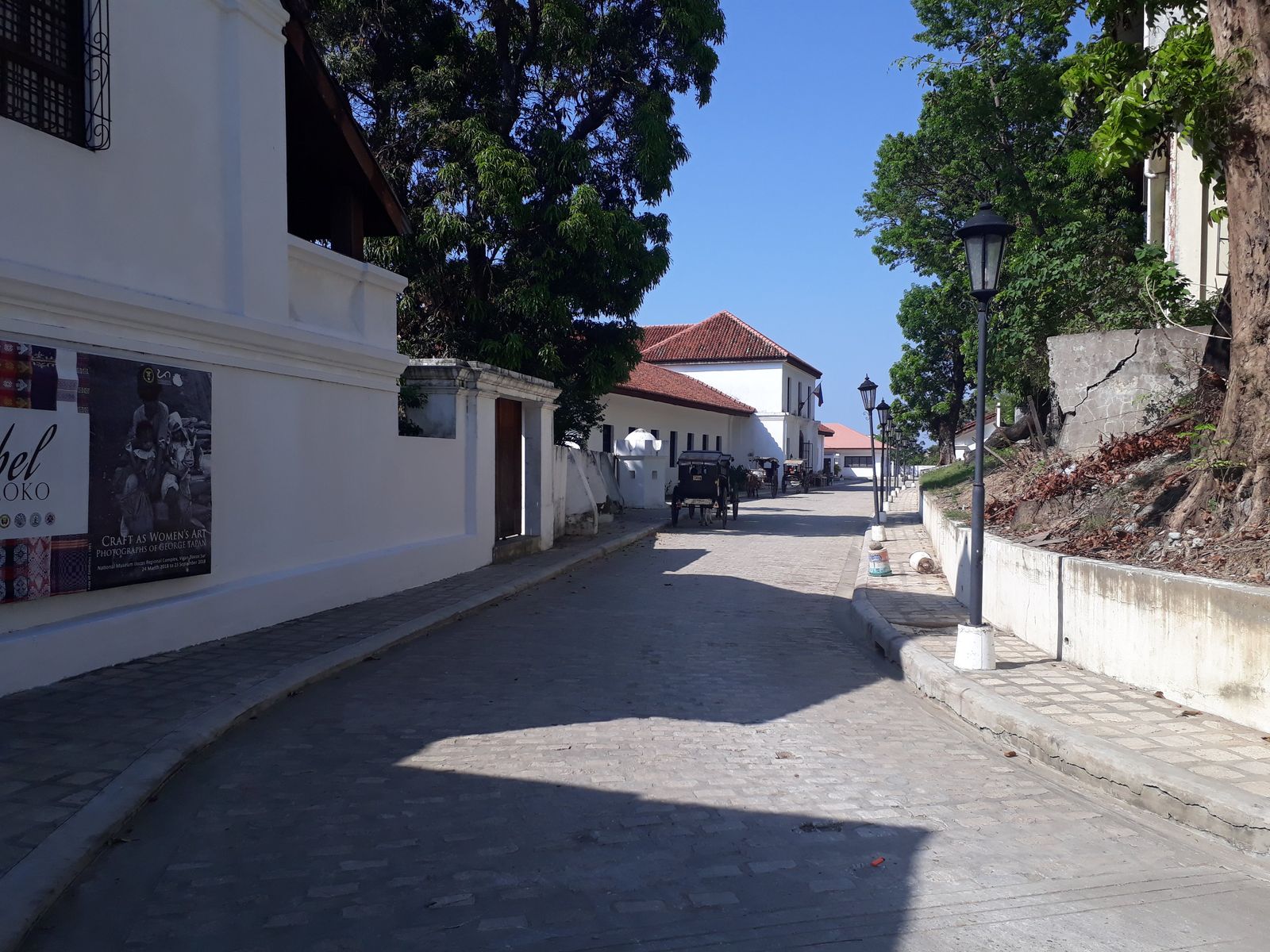
Old Carcel is a good stop when you want to spend more time with Vigan’s history. Cárcel means jail in Spanish: this was first the Carcel de Vigan, a small town jail established in 1657. When Ilocos was divided into two provinces in 1818, it became the provincial jail of Ilocos Sur. It remained a prison until 2014. The date 1657 marks the start of the jail here, rather than proving that every part of the building you see today is that old.
The National Museum began adapting the former prison in 2013, and it opened as a museum in January 2015. Its thick brick walls help keep the gallery climate steady, while original hardwood window shutters were adapted to limit sunlight and pollutants reaching the paintings. Look for the contrast between the sturdy old jail and the careful changes made to house fragile art.
The building has an unexpected family connection too. Elpidio Quirino, who became the Philippines’ sixth president, was born here in 1890 while his father was the jail warden. He served as president from 1948 to 1953, when the country was rebuilding after the Second World War. The upper central section, where his family lived, now houses a collection of his portraits, clothing and other presidential memorabilia.
Take your time with the Basi Revolt paintings
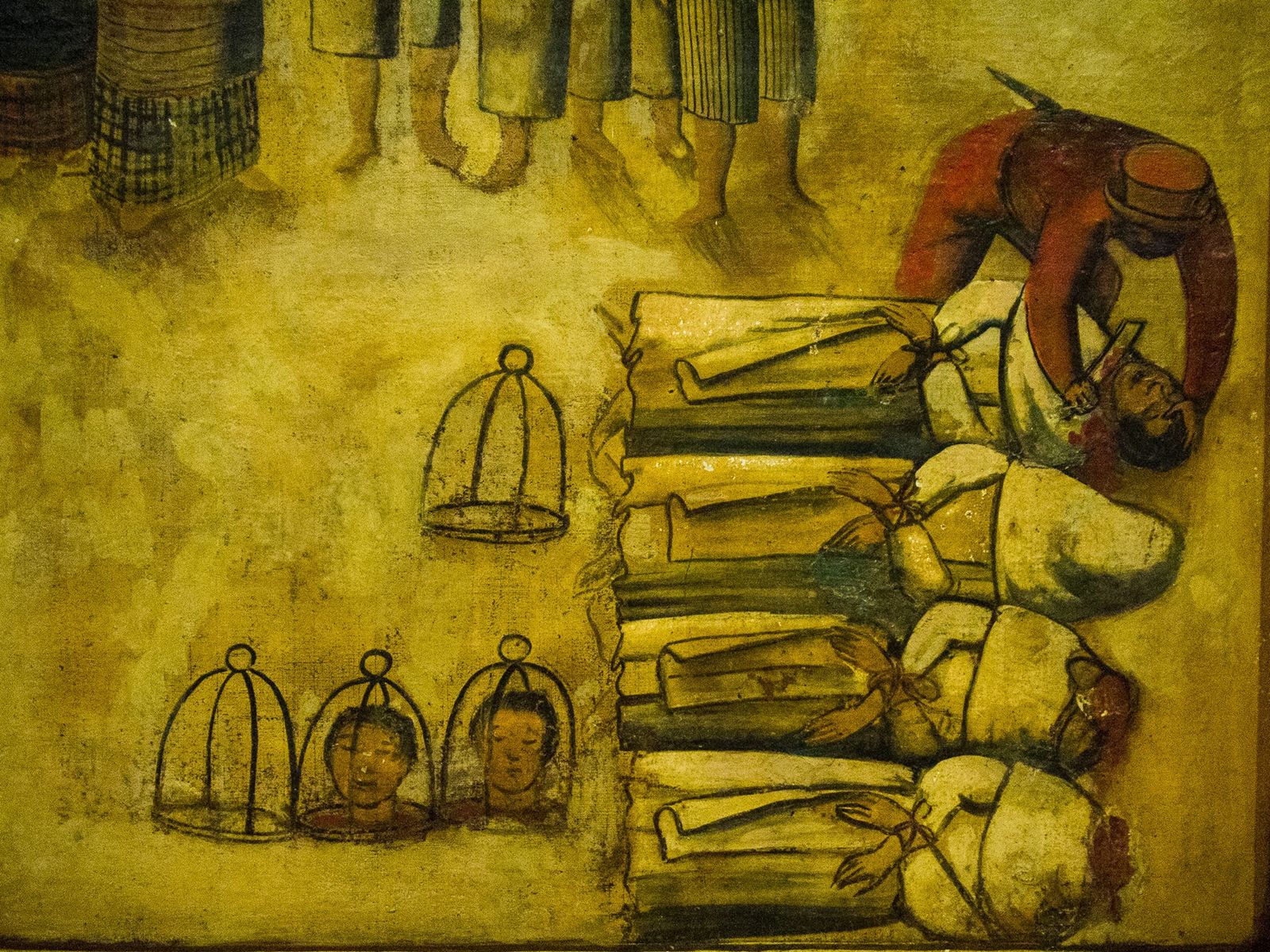
The fourteen paintings of the Basi Revolt are a reason to give this museum an unhurried visit. They depict the 1807 uprising against the Spanish colonial government’s monopoly on basi, the region’s sugarcane wine.
Made in 1821 and attributed to Vigan artist Esteban Pichay Villanueva, the paintings were collectively declared a National Cultural Treasure in 2009. Follow them in sequence and you’ll find a story of resistance, conflict and punishment, along with details of clothing and life in colonial Ilocos.
The canvases were largely out of public view until they were rediscovered in the storerooms of a Villanueva family mansion in the 1950s. The Filipinas Foundation, now the Ayala Foundation, acquired them and displayed them at the Padre Burgos ancestral house in Vigan. In the 1980s, the house and paintings passed to the Ilocos Sur Historical and Cultural Foundation, which entrusted their care to the National Museum. The paintings went to Manila for study and conservation from 2011 to 2014, then returned to Vigan for display at Old Carcel in 2015.
There’s more than one way to read the story
These paintings were made after the uprising and commissioned as a warning against challenging colonial rule. Keep that purpose in mind as you look at who commands, who resists and how punishment is shown.
That makes the series especially interesting. You can learn about the revolt while also considering how those in power wanted it to be remembered.
Follow the story beyond the paintings
The wider Basi collection brings in objects and plant material connected with the drink. Together, they help explain why a product of everyday work and social life could become the focus of an uprising.
Elsewhere, the Quirino memorabilia and changing exhibitions offer more to explore. Check the current gallery arrangement before you go, then consider continuing to Padre Burgos Museum. Both belong to the Ilocos Regional Museum Complex, but each gives you a different way into the region’s past.
A closer look
Select a photo to view its caption and credit.
Related stories
SEE
Calle Crisologo
SEE