
Syquia Mansion
A sprawling 1830 bahay na bato that evolved from a merchant’s dowry into the ancestral home of Philippine President Elpidio Quirino, offering a masterclass in 19th-century Ilocano aristocracy.
Published · Last updated
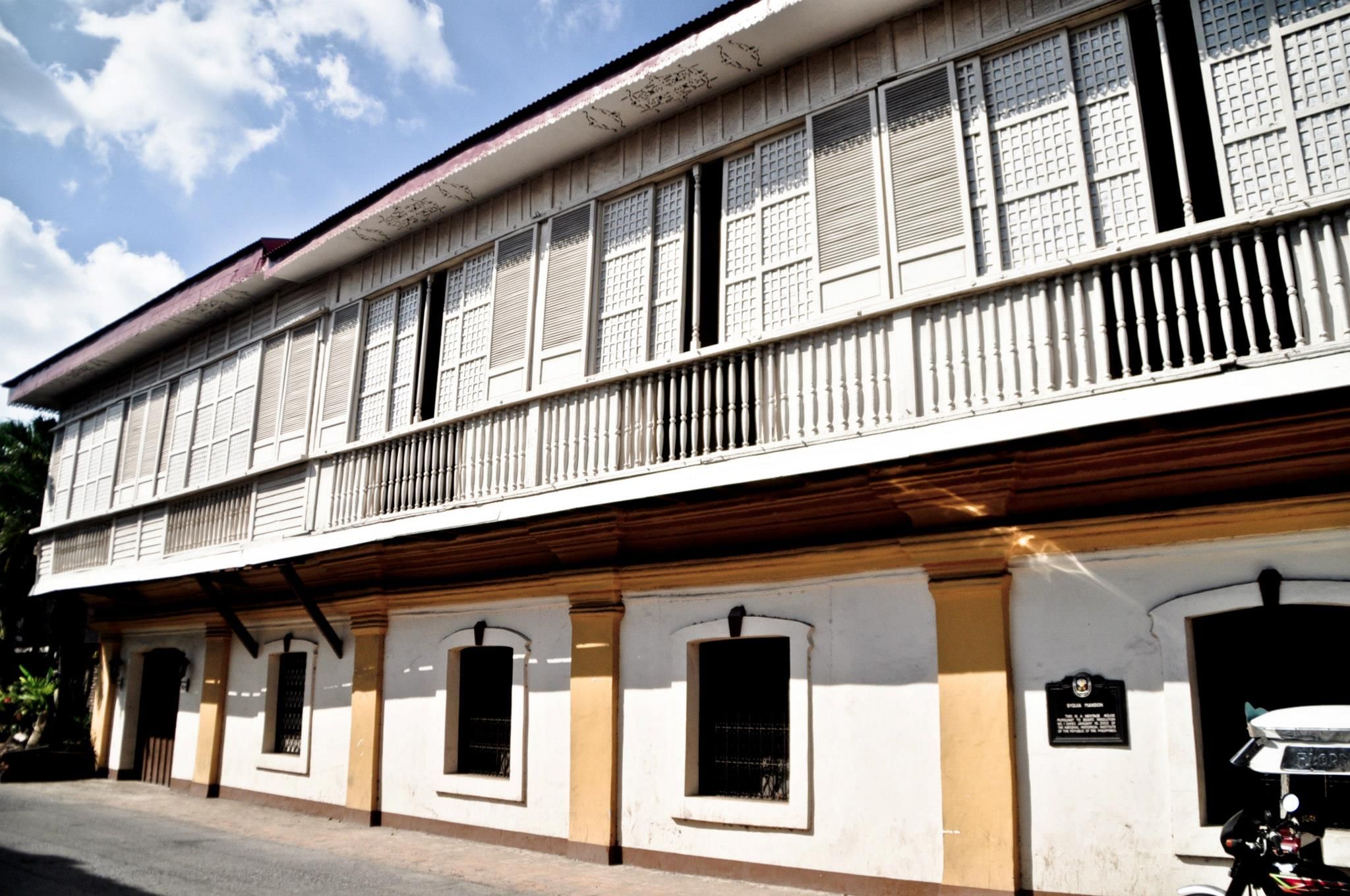
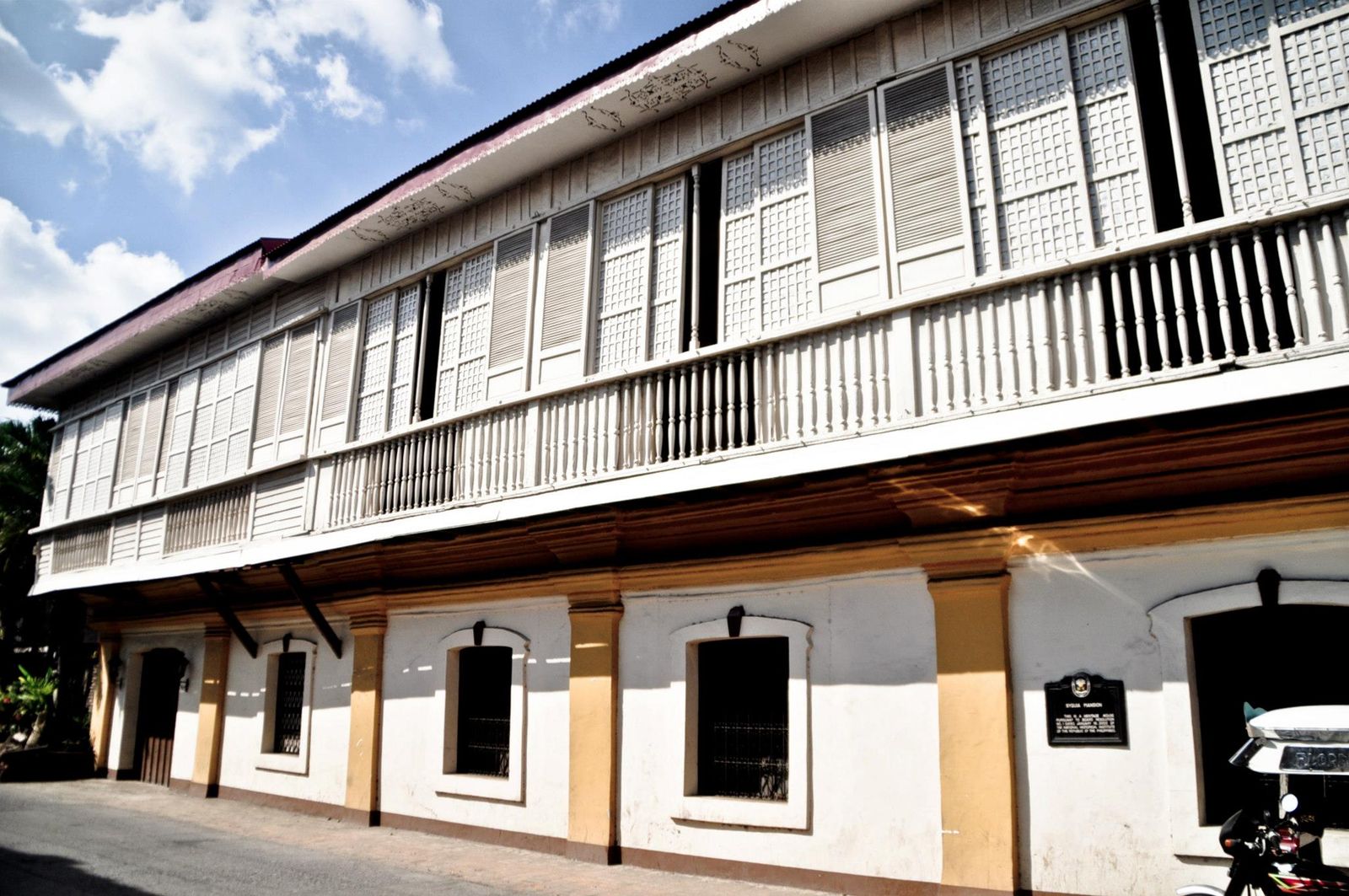
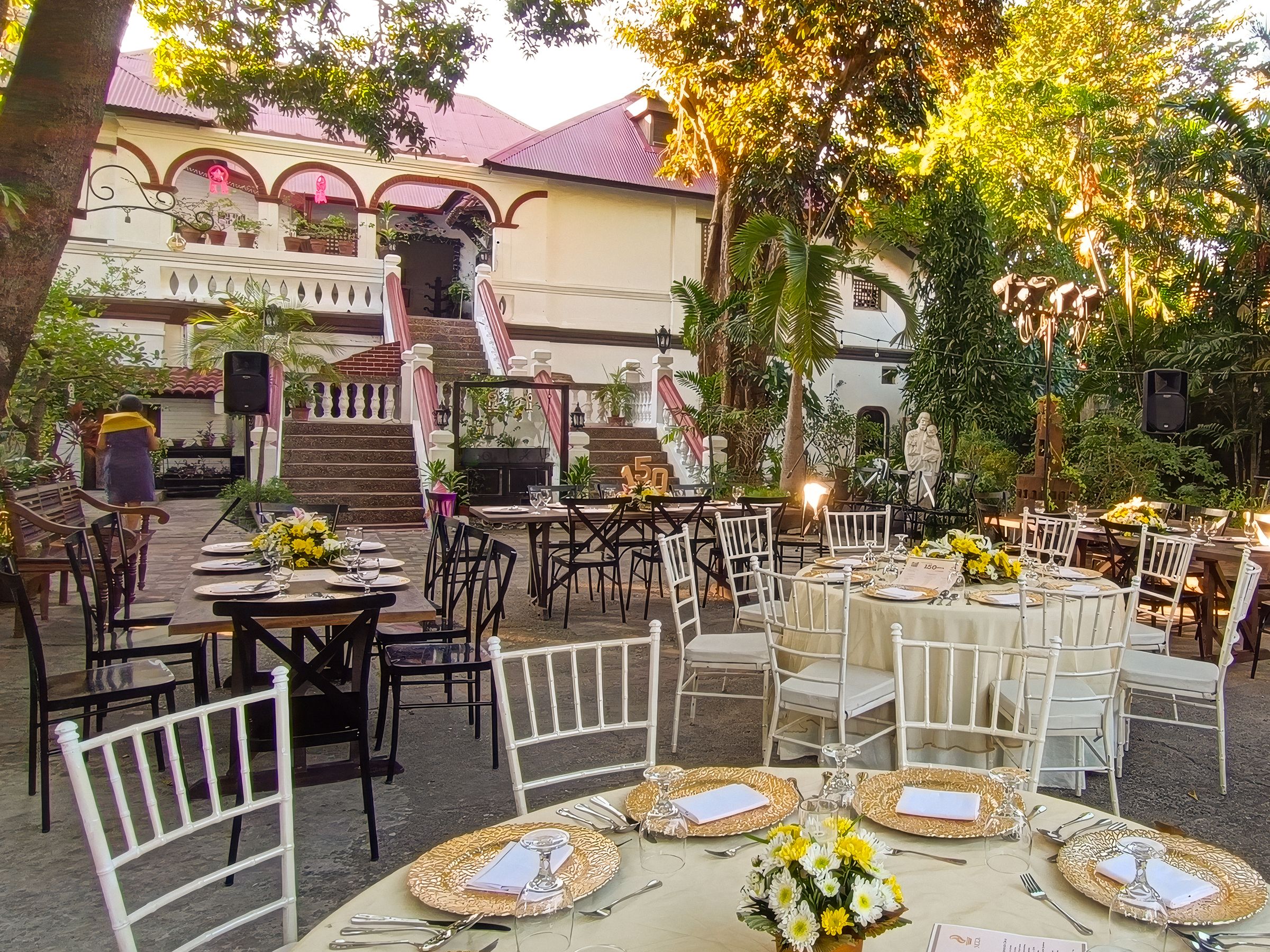
Just two streets over from the bustling cobblestones of Calle Crisologo, at the intersection of Quirino Boulevard and Salcedo Street, stands the Syquia Mansion. Unlike many of Vigan's heritage structures that have been broken up into commercial storefronts or modernized hotels, this massive 1830 bahay na bato operates as a dedicated, fully curated museum. It is an exceptional architectural time capsule that chronicles the rise of the Chinese-Ilocano merchant class and the private life of the sixth President of the Philippines, Elpidio Quirino.
Practical information
- Address
- Quirino Blvd. corner Salcedo St., Vigan City
- Visiting & Stays
- Temporarily closed for restoration
- Rates & Admission
- Suspended until reopening
- Built
- 1830 (Expanded in 1910)
- tiendatimansion@gmail.com
- Visitor note
- The mansion is currently undergoing vital structural restoration following the 2022 earthquake that struck Northern Luzon. We will update this page with new operating hours once it safely reopens.
The government officially recognized the structure as a Heritage House in 2002 through the National Historical Institute, and it remains one of the largest, most structurally intact ancestral homes in the UNESCO World Heritage city.
From a merchant’s dowry to a presidential home
The origins of the Syquia Mansion underscore the deep Chinese-mestizo roots of Vigan’s historic Mestizo District. The original structure was built in 1830 by Don Justo Angco, a wealthy Chinese trader. In 1875, Don Justo gifted the massive house as a dowry to his daughter, Estefania Angco, upon her marriage to Gregorio Encarnacion Syquia.
The house evolved with the family’s growing prominence. In 1910, their son Tomas Syquia—who ran for public office as governor of Ilocos Sur—oversaw significant expansions, adding a watchtower, a covered azotea (stone terrace), and a sprawling dining room to accommodate the constant influx of political and social visitors.
The mansion’s national historical significance was cemented a generation later. In 1931, Tomas’s eldest daughter, Alicia Syquia, married a young congressman named Elpidio Quirino. The couple lived in the mansion for six years. Quirino would eventually ascend to the presidency of the Republic of the Philippines in 1948, turning this provincial Ilocos mansion into an informal summer home and a gathering place for the nation’s political elite.
“The mansion was built using a craftsman’s expert eye and traditional building materials—no cement, no hollow blocks, no steel bars, and no blueprints. It relies entirely on the brilliance of 19th-century arquitectura mestiza.”
Inside the mansion
Because it is managed by the Syquia Mansion Museum Foundation, the interior offers an incredibly authentic layout of a high-society 19th-century home. Visitors are guided through a carefully preserved sequence of rooms that reveal how aristocratic families navigated the tropical climate and colonial social protocols.
The lower level, historically used for grain storage and horse carriages, features massive stone and brick walls bonded with traditional lime mortar. Today, a portion of this space houses the Tienda Ti Mansion, a curated shop where visitors can purchase regional arts, crafts, and food products.
Ascending the grand wooden staircase brings you to the caida. The name is derived from the Spanish word cayendo (falling or dropping), referring to the historical practice where ladies would let down the trains of their long, heavy skirts upon reaching the private upper floor. This transitional space was used to entertain casual acquaintances who were not intimate enough with the family to be invited into the main living room.
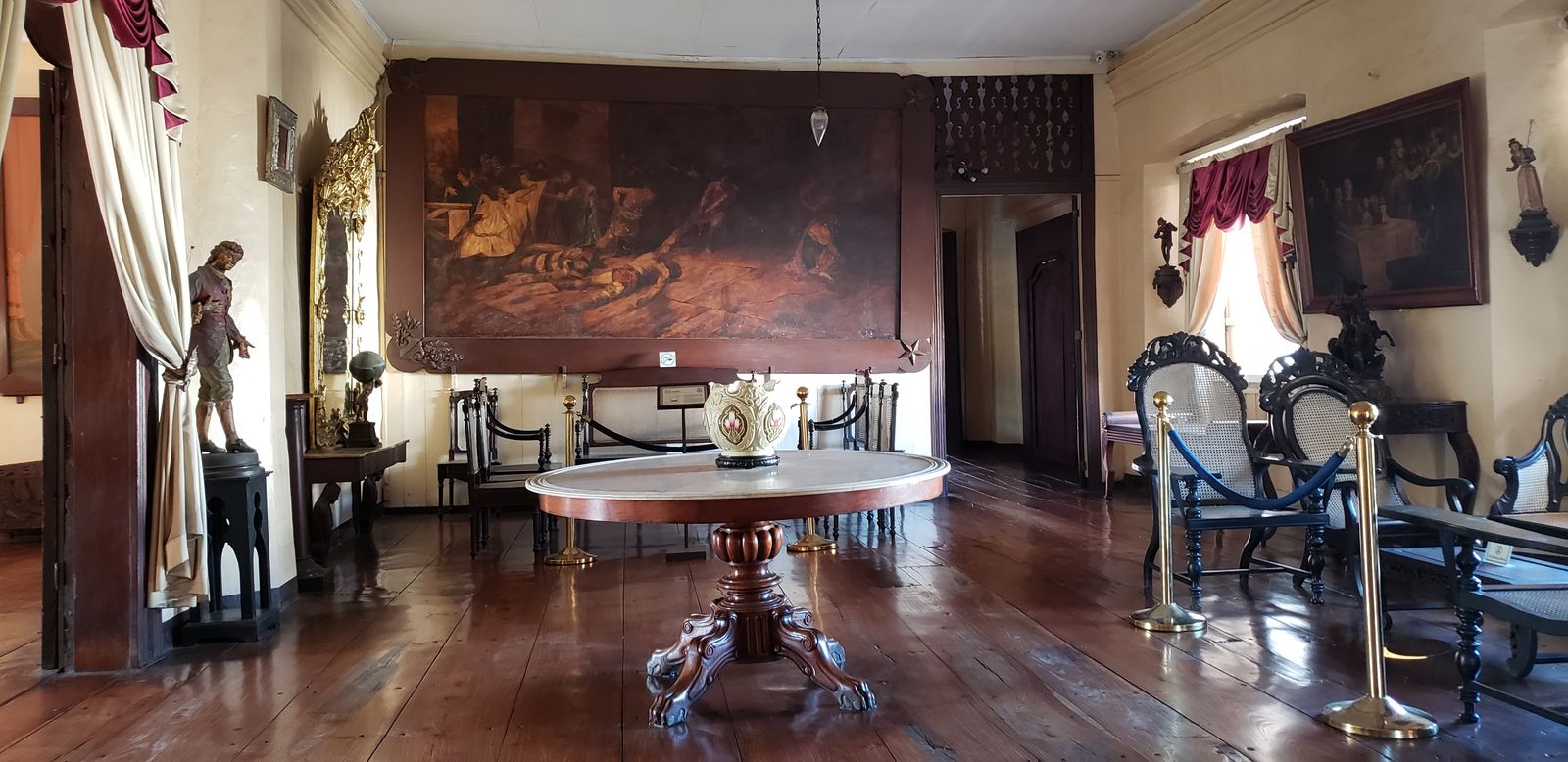
The heart of the mansion is its grand sala (main living room), characterized by wide, polished hardwood floorboards and large sliding windows fitted with translucent capiz (windowpane oyster) shells. The room is heavily adorned with European and Asian antiques, including Ming dynasty porcelain and replica period furniture. Notably, a life-size formal portrait of Gregorio Syquia hangs here, proudly displaying him wearing the prestigious Royal Order of Isabella the Catholic.
The 1910 dining room extension is anchored by a seemingly endless wooden banquet table meant for grand political entertaining. Nearby, the stone azotea functions as an open-air patio that connects the indoor domestic spaces to the outdoors, providing natural ventilation and a place for the family to enjoy the evening breeze.
Restoration and reopening
Please note that the Syquia Mansion is currently closed to the public while undergoing extensive structural restoration following the massive July 2022 earthquake that impacted Vigan City.
Because the mansion was built without modern steel reinforcement, it relies entirely on the delicate balance of its 19th-century lime mortar, brick, and timber framing. Ensuring the structure is safe for future visitors, while meticulously protecting its irreplaceable antiques and artwork, requires highly specialized conservation work by the Syquia Mansion Museum Foundation.
We will post the new operating hours and admission guidelines right here on this page the moment the museum officially reopens its doors to the public.
Getting there
The Syquia Mansion is located at the corner of Quirino Boulevard and Salcedo Street in Barangay VI. While interior access is currently restricted, the grand exterior remains a vital piece of Vigan’s streetscape.
-
On foot: From the southern end of Calle Crisologo, walk east for two blocks toward Quirino Boulevard. The mansion’s prominent corner profile makes it impossible to miss. It is roughly a 3- to 5-minute walk from the main cobblestone strip.
-
By tricycle or calesa: Every driver in the city knows the Syquia Mansion. A tricycle ride from Plaza Salcedo or the public market takes less than five minutes. Within the town center, regular tricycle fareis ₱30 for one passenger by day (6 AM–6 PM). See City Information’s tricycle fare guide.
-
By private car: Quirino Boulevard is open to vehicular traffic, though street parking directly in front of the mansion can be limited due to the narrow street.
A closer look
Select a photo to view its caption and credit.
Related stories

HERITAGE HOUSES
Quema Ancestral House
HERITAGE HOUSES