
Quema Ancestral House
A masterclass in 19th-century filigree and woodwork, the Quema Ancestral House stands as a remarkably preserved monument to Vigan's Chinese-mestizo merchant wealth.
Published · Last updated
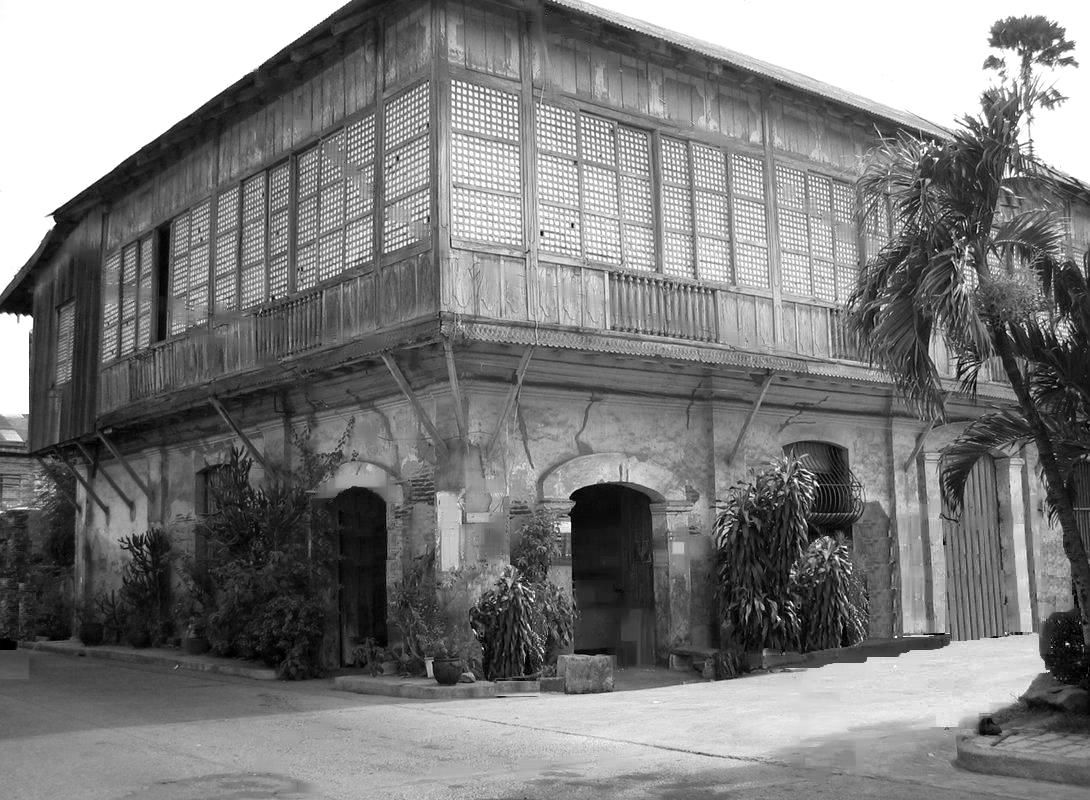
While Calle Crisologo draws the heaviest foot traffic, true students of Philippine colonial architecture eventually find their way to Quirino Boulevard. Here, set among a row of grand 19th-century mansions, stands the Quema Ancestral House. Owned by the descendants of Don Mariano Quema, this structure is widely regarded by heritage conservationists as one of the most architecturally refined and structurally intact examples of bahay na bato (stone house) in the entire Ilocos region.
Practical information
- Address
- Quirino Boulevard, Barangay VI, Vigan City
- Visiting & Stays
- Private residence; strictly exterior viewing unless by special private appointment
- Rates & Admission
- Free from the street (no public interior admission)
- Built
- Early to mid-19th Century
- Visitor note
- Because this is a private home, focus your visit on photographing the exterior woodwork from the opposite side of Quirino Boulevard in the early morning light.
Unlike the Padre Burgos Museum or the Syquia Mansion, which have been transitioned into public institutions, the Quema House remains a private family residence. It offers a rare, uncompromising look at a heritage structure that hasn’t been heavily adapted for mass tourism, preserving the authentic scale, street presence, and residential quiet of the original Mestizo District.
The merchant family and its setting
To appreciate the Quema House, one must understand the economic engine that built it. During the 18th and 19th centuries, Vigan was a thriving international trading post. Chinese immigrants sailed up the Mestizo River to barter goods, eventually intermarrying with local Ilocanos. This Chinese-Ilocano merchant class (the mestizos de sangley) amassed tremendous wealth by exporting indigo dye, tobacco, and abel (handwoven textiles) to Europe and China via the Manila-Acapulco Galleon Trade.
Don Mariano Quema was a prominent figure in this affluent society. The home he commissioned was not just a shelter, but a visible declaration of commercial success and social standing. By building his grand bahay na bato on Quirino Boulevard—running parallel to the bustling merchant strip of Calle Crisologo and sitting even closer to the vital trading boats docked along the Mestizo River—the Quema family positioned themselves at the very center of Vigan’s economic and social hierarchy.
“The Quema House is a textbook display of early globalization. Its brick foundations speak to Spanish engineering, its roofline echoes Chinese artisan influence, and its ventilation systems are entirely adapted to the Philippine tropics.”
Architecture and exterior details
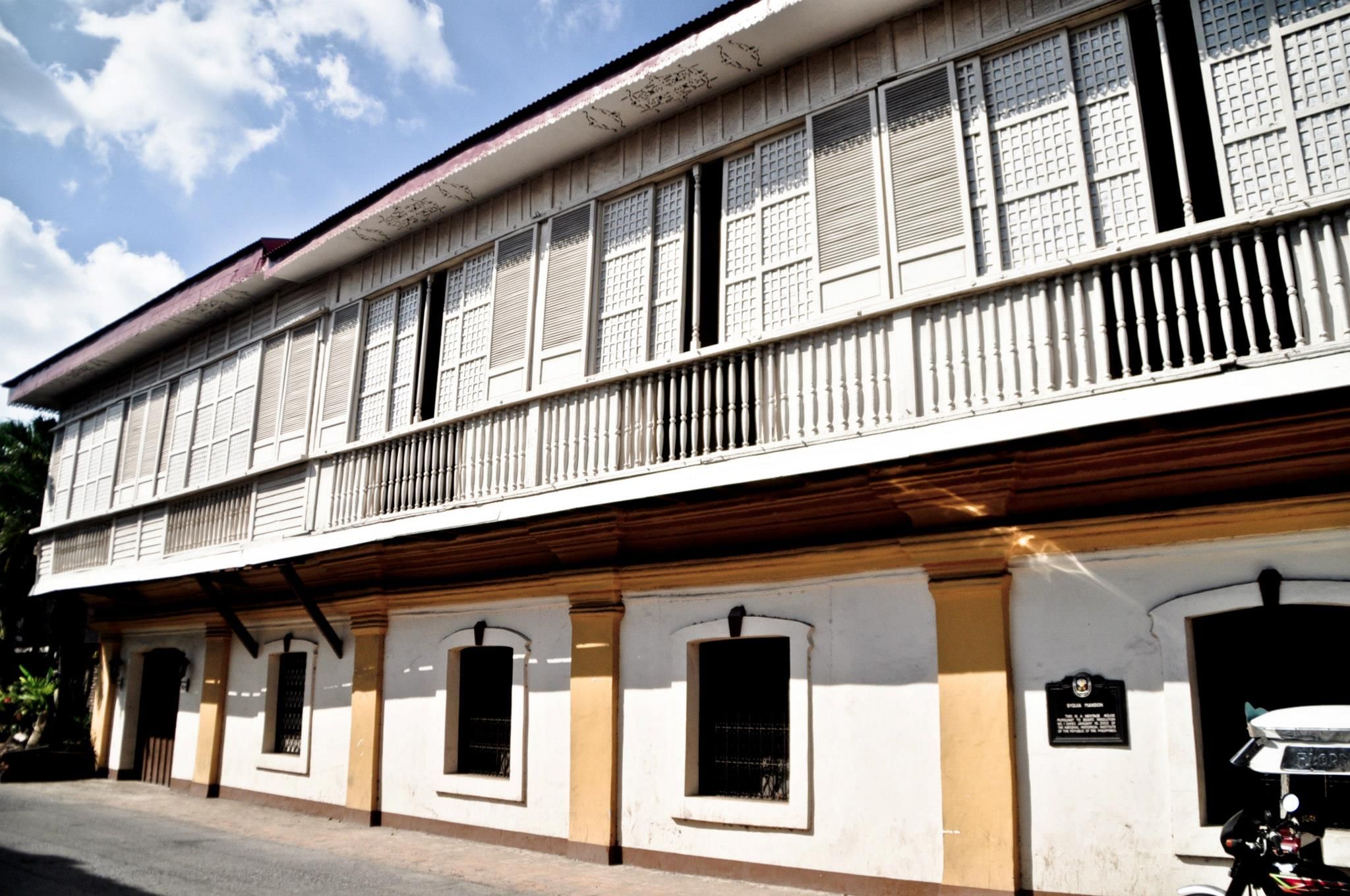
Because visitors cannot typically walk through the interior rooms, the Quema House invites a deep appreciation of its exterior anatomy. The structure is a flawless example of arquitectura mestiza, engineered specifically to survive the Philippines’ twin threats: intense tropical heat and devastating earthquakes.
The ground floor is constructed from thick, mortar-bound brick. Historically, this cavernous, naturally cool space was never used as a living area. Instead, it served as a secure warehouse for the family’s trading goods (like tobacco), a stable for carriages (carrozas), and a buffer against floods. The heavy brickwork anchors the house, providing a low center of gravity.
Notice how the wooden second story dramatically overhangs the stone first floor. This architectural feature, known as the volada, was ingenious. It created a shaded gallery that protected the inner rooms from the harsh glare of the sun and the driving rain of typhoons, while allowing the family to look down upon the street.
The Quema House is particularly famous for its exquisite exterior detailing. Beneath the eaves, you will find heavily carved wooden brackets (kantoneras). The massive sliding windows are fitted with flattened capiz (windowpane oyster) shells, which soften the harsh tropical light. Just below the main windows are ventanillas—small, sliding wooden panels protected by turned wooden balusters or iron grills. Even when the main capiz windows were shut during a storm, these ventanillas could be opened to allow a continuous breeze to sweep across the polished hardwood floors inside.
Visiting a private home
It is crucial to approach the Quema Ancestral House with the understanding that it is a private home. The family continues to use the residence, and there are no regular ticketing hours, velvet ropes, or tour guides stationed at the door.
While interior access is generally restricted to family guests or highly specialized heritage tours by prior private arrangement, the exterior alone warrants a dedicated detour. The best way to experience the house is to walk the length of Quirino Boulevard, observing how the Quema residence relates to its neighbors (like the nearby Syquia Mansion and Villa Angela).
Getting there
The Quema Ancestral House is located on Quirino Boulevard, running parallel to Calle Crisologo in the heart of Vigan’s historic grid.
-
On foot: From the southern end of Calle Crisologo, turn east toward Quirino Boulevard. The house is a brief, 3-minute walk from the main commercial cobblestones. Its massive wooden doors and prominent volada make it easy to spot.
-
By tricycle or calesa: If arriving from Plaza Salcedo or the Vigan Public Market, a tricycle or calesa driver can drop you directly in front of the Quema House. Within the town center, regular tricycle fareis ₱30 for one passenger by day (6 AM–6 PM). See City Information’s tricycle fare guide.
-
Photography Tip: Because Quirino Boulevard allows vehicular traffic (unlike the pedestrian-only Calle Crisologo), always watch for passing tricycles when stepping back to frame a photograph of the upper floor. The early morning light (between 6:30 AM and 8:00 AM) beautifully illuminates the capiz windows and intricate wooden corbels.
A closer look
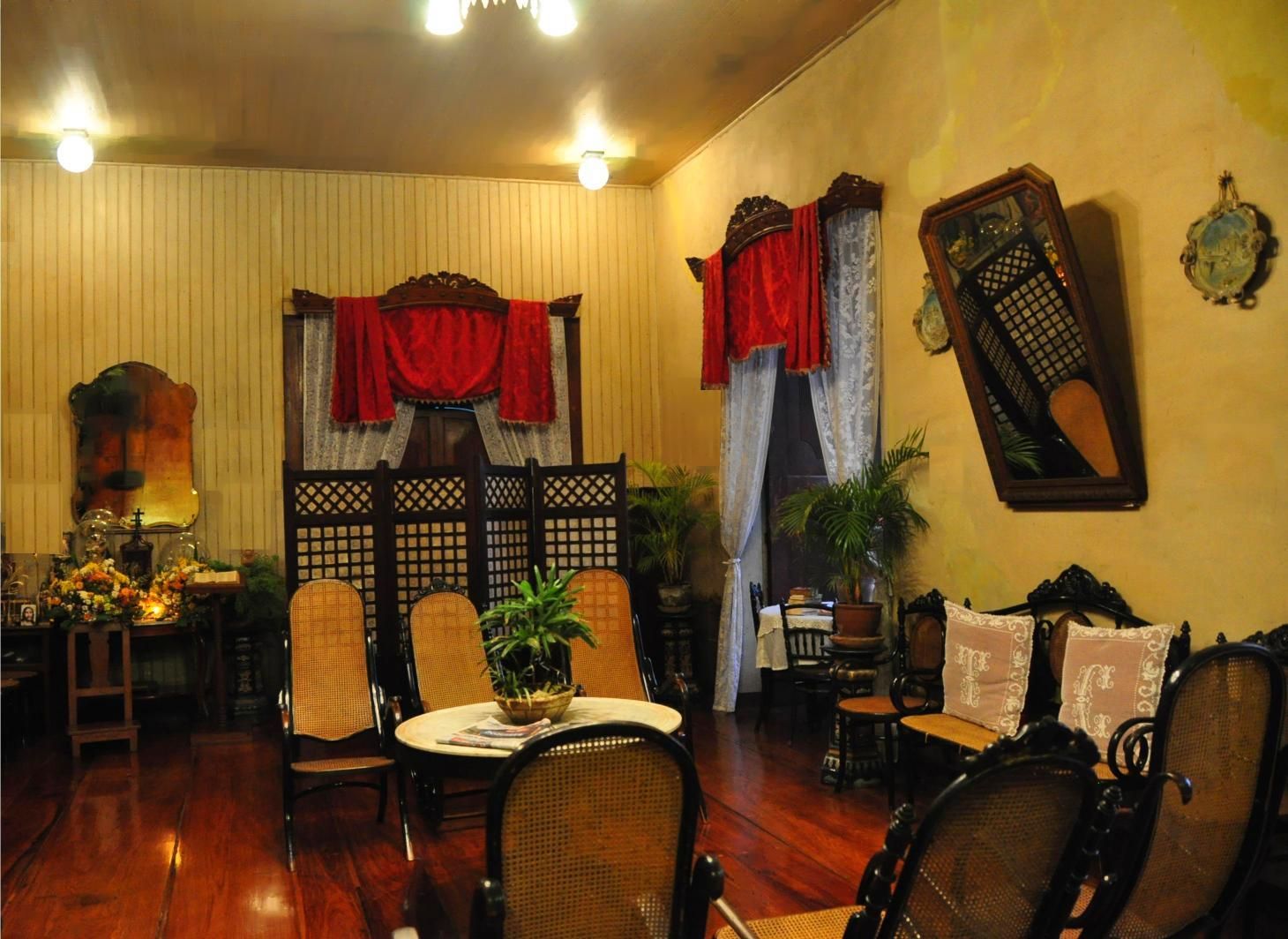
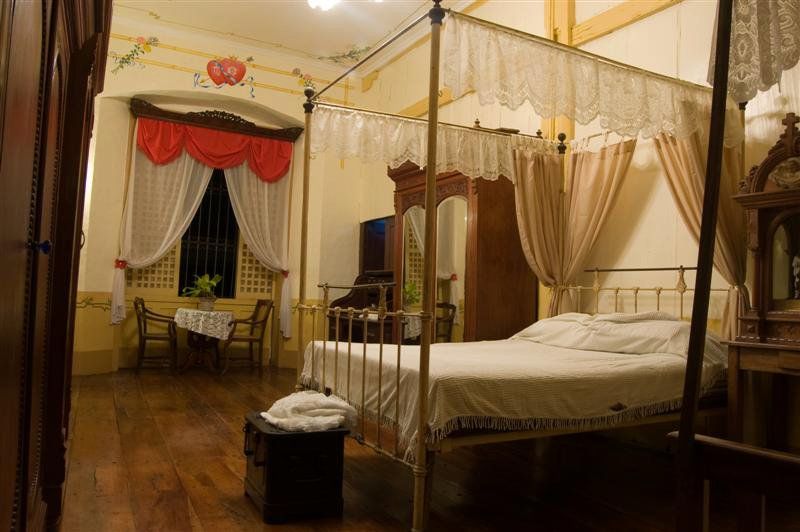
Select a photo to view its caption and credit.
Related stories
HERITAGE HOUSES
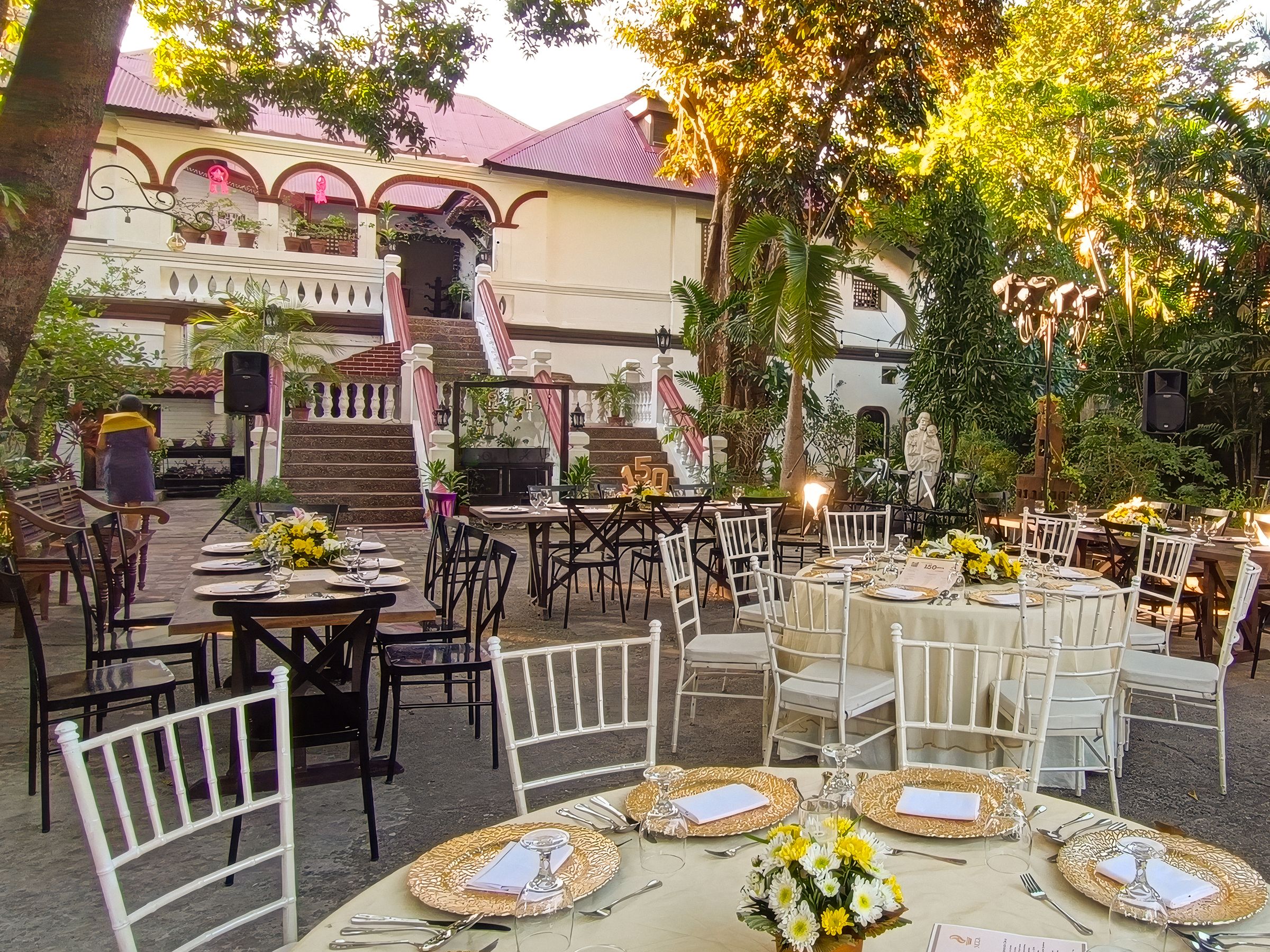
Villa Angela

HERITAGE HOUSES