
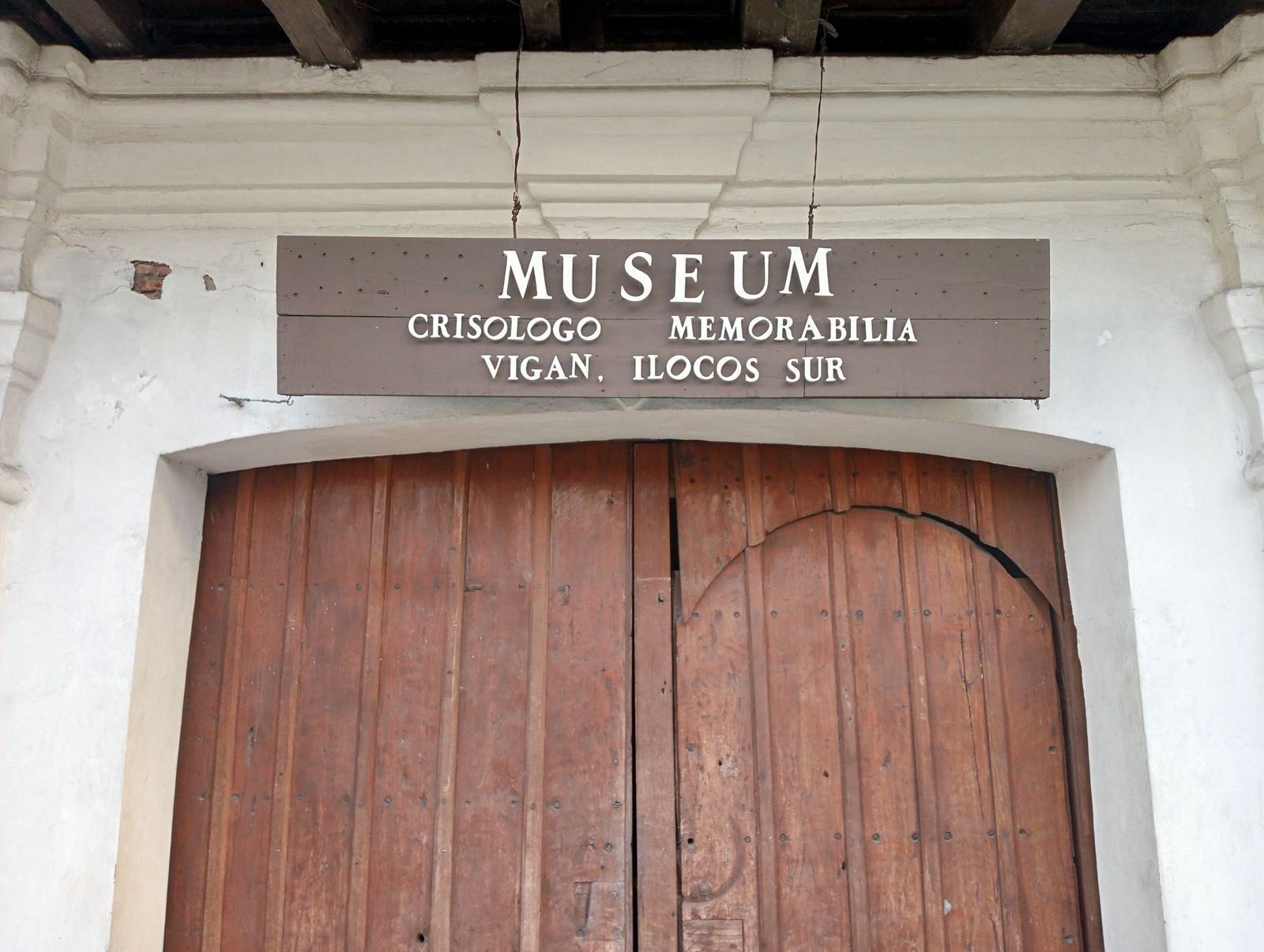
Crisologo Museum
A stark departure from Vigan's colonial merchant mansions, this mid-century political stronghold preserves the complex, turbulent history of 20th-century Ilocos Sur.
Published · Last updated
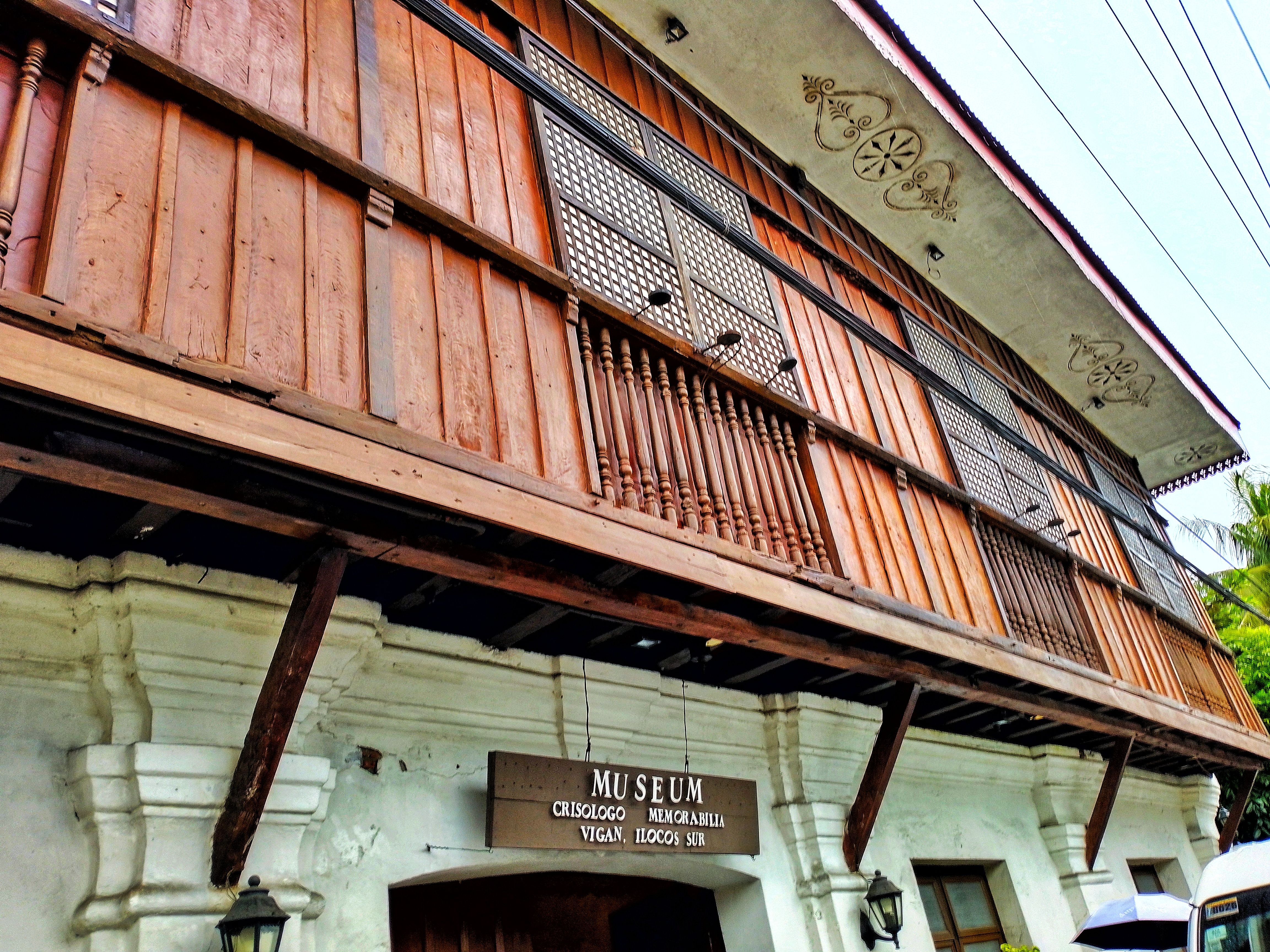
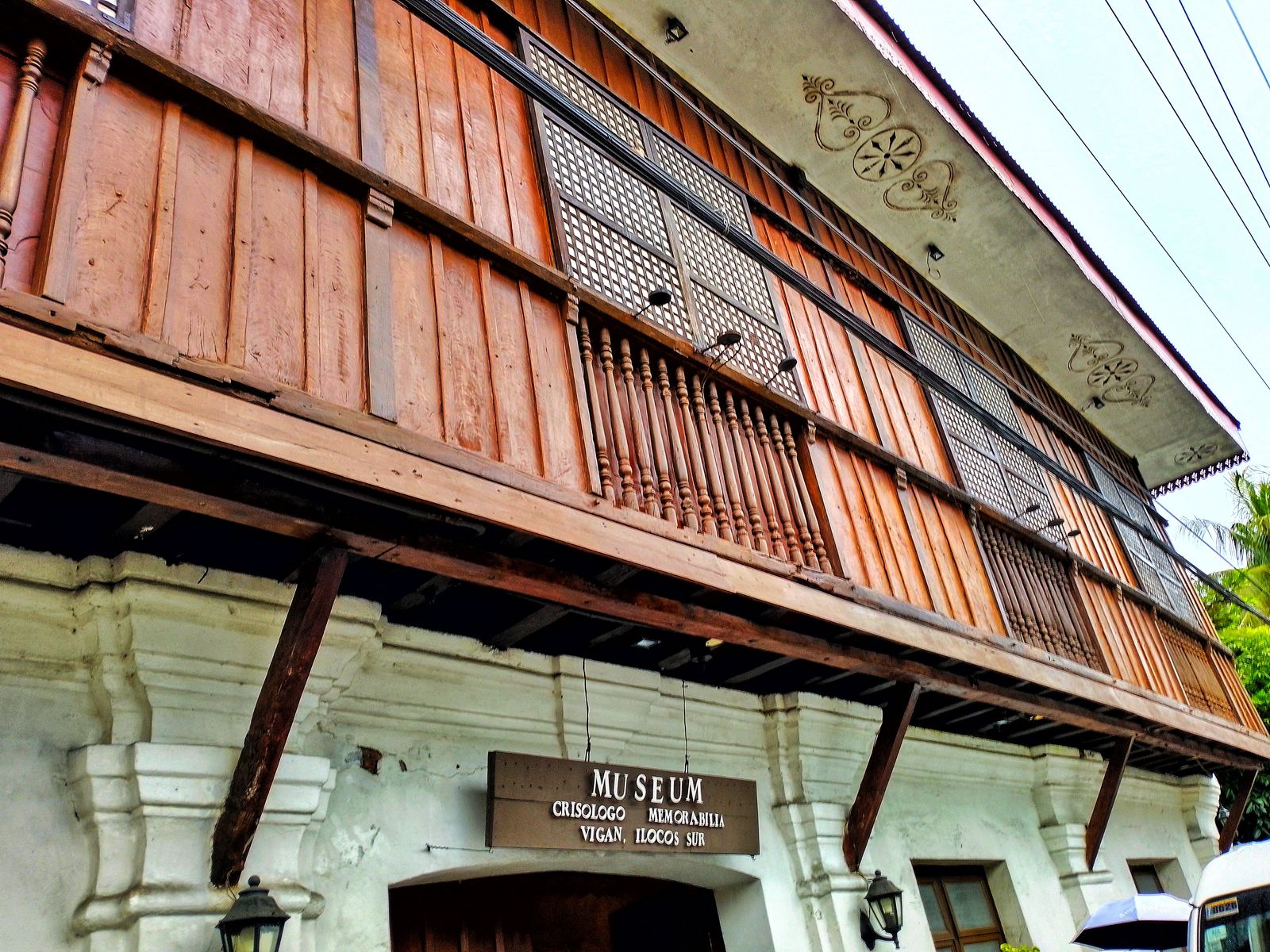
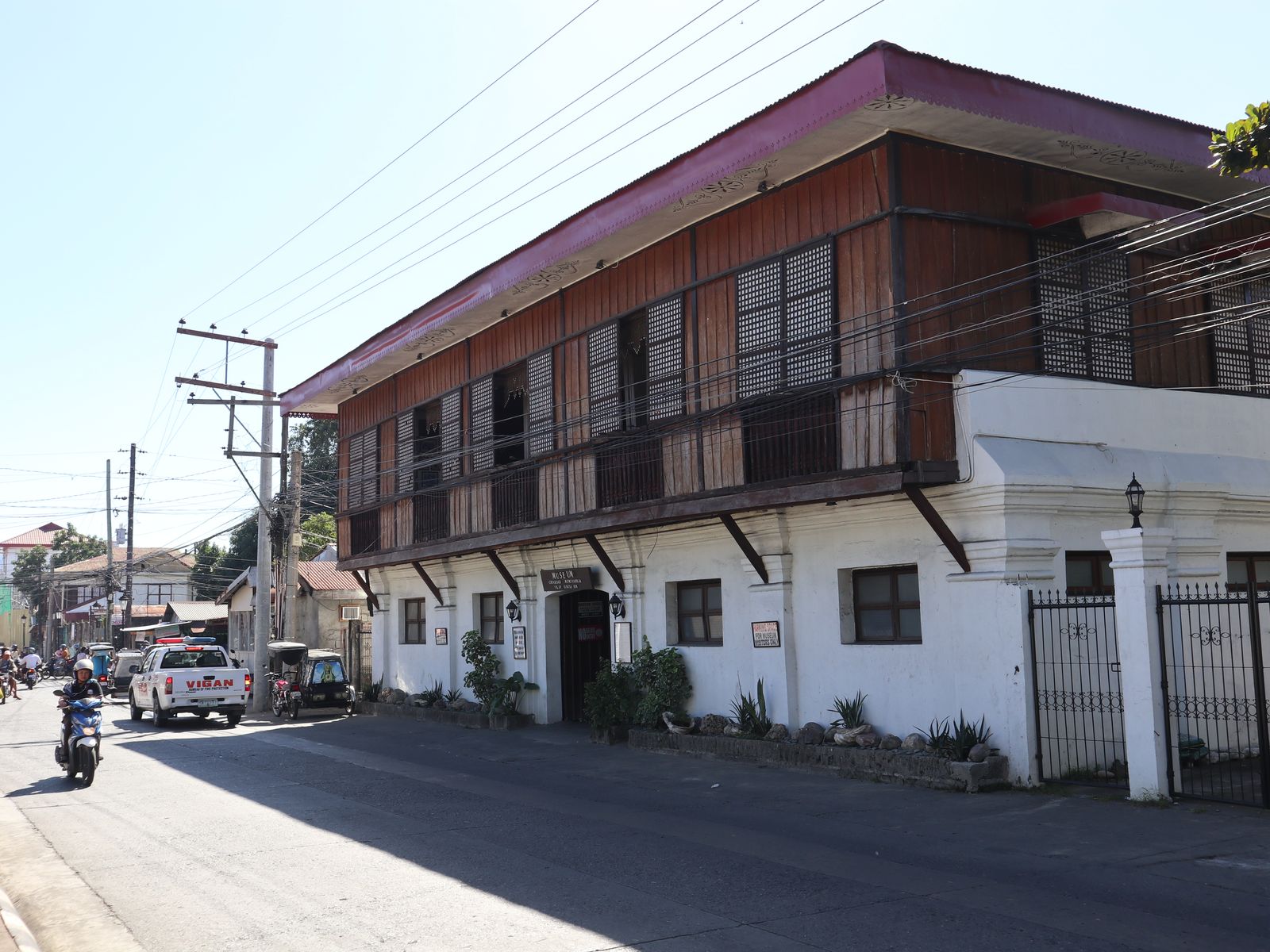
Most visitors to Vigan associate the name "Crisologo" entirely with the famous cobblestone street. But while Calle Crisologo is named after the 19th-century playwright and statesman Mena Crisologo, the Crisologo Museum on Liberation Boulevard belongs to a different era entirely. This is the preserved home of the late Congressman Floro Crisologo and his wife, former Ilocos Sur Governor Carmeling Crisologo.
Practical information
- Address
- Liberation Boulevard, Vigan City
- Visiting & Stays
- Open daily, 8:30 AM to 4:30 PM (lunch break from 11:30 AM to 1:00 PM)
- Rates & Admission
- Free admission (voluntary donations are encouraged to support maintenance)
- Built
- Mid-20th Century
- Walk-ins
- Welcome
- Visitor note
- Look closely at the framed newspaper clippings in the central hall; they provide vital, unvarnished context for the intense political climate of the 1970s.
Instead of Spanish-colonial romance and indigo trade wealth, this museum offers an unflinching look at the turbulent, often violent political landscape of Ilocos Sur during the mid-20th century. It is a time capsule of political power, complete with secret passages, vintage vehicles, and a strikingly raw memorial to a high-profile assassination.
A family in public life
To understand the museum, you must understand the political climate of the 1960s and 70s. During this period, Ilocos Sur was heavily deeply divided by fierce political rivalries, often backed by private armed groups. Congressman Floro Crisologo was the undisputed patriarch of the province’s political scene, authoring legislation that established the University of Northern Philippines and the Social Security System. His wife, Carmeling, served as the Provincial Governor famously known for governing with a firearm on her desk and surviving multiple ambushes.
This grip on power ended violently on October 18, 1970. While attending the 4:00 PM Sunday mass at the nearby St. Paul Metropolitan Cathedral, Congressman Crisologo was approached from behind and shot point-blank in the head. The assassination remains officially unsolved, though it immediately shifted the balance of power in the province, paving the way for another powerful family to assume provincial leadership by 1971.
“The Crisologo Museum doesn’t attempt to romanticize the past. It presents the raw, complicated reality of Philippine provincial politics, leaving visitors to process the history for themselves.”
Inside the house and collections
Unlike the 18th-century bahay na bato structures (like the Padre Burgos House) designed for natural ventilation and agricultural storage, the Crisologo residence is a fortress of mid-century concrete. The architecture reflects the paranoid reality of its time—the house is incredibly solid, prioritizing security over the wide, open-air aesthetics of the Mestizo District.
-
The Ground Floor and Garage: The tour begins in the expansive lower level, which houses the family’s collection of vintage vehicles. The centerpiece is Carmeling Crisologo’s vintage Chevrolet, which still bears the bullet holes from a failed assassination attempt she survived while pregnant. The ground level also features the family’s old horse carriages and early motorized transport.
-
The Macabre Memorial: The most visceral artifact in the museum is located in a dedicated glass display case: the actual blood-stained trousers, shoes, and shirt that Congressman Crisologo was wearing on the day he was assassinated in the cathedral. It is a jarring, intensely personal artifact that grounds the political history in violent reality.
-
The Upper Quarters and Library: Upstairs, the house remains exactly as the family left it. You will walk through the Congressman’s massive private library, filled with thousands of legal volumes, historical texts, and legislative drafts. The living quarters feature heavy mid-century hardwood furniture, antique firearms, and glass cabinets displaying Governor Carmeling’s impressive collection of traditional Filipiniana gowns and imported perfumes.
Why this stop matters
Vigan’s heritage is not entirely confined to the Spanish colonial era. The events of the 1970s shaped the modern governance and economic trajectory of the city. Visiting the Crisologo Museum provides the necessary contrast to the romanticized carriage rides on the cobblestone streets. It is a sobering, fascinating, and completely free experience that adds massive depth to any Vigan itinerary.
Because the museum is privately maintained by the family (rather than the National Museum network), the curation is informal. There are no velvet ropes or modern multimedia displays, just the quiet, heavy atmosphere of a home where history was made, and violently interrupted.
Getting there
The Crisologo Museum is located on Liberation Boulevard, just a short walk from the main heritage grid.
-
On foot: From the southern end of Calle Crisologo, turn west onto Liberation Boulevard. The museum is roughly a 3- to 5-minute walk from the cobblestones, located on the right side of the street.
-
By tricycle: If you are coming from Plaza Salcedo or the public market, any tricycle can take you directly to the museum in under 5 minutes. Within the town center, regular tricycle fare is ₱30 for one passenger by day (6 AM–6 PM). See City Information’s tricycle fare guide.
-
Visitor Notes: Admission is completely free, though a donation box is available near the entrance to help the caretakers with maintenance and electricity costs. The museum closes for a strict lunch break between 11:30 AM and 1:00 PM, so plan your visit for the early morning or mid-afternoon.
A closer look
Select a photo to view its caption and credit.
Related stories
HERITAGE HOUSES
Villa Angela

HERITAGE HOUSES